
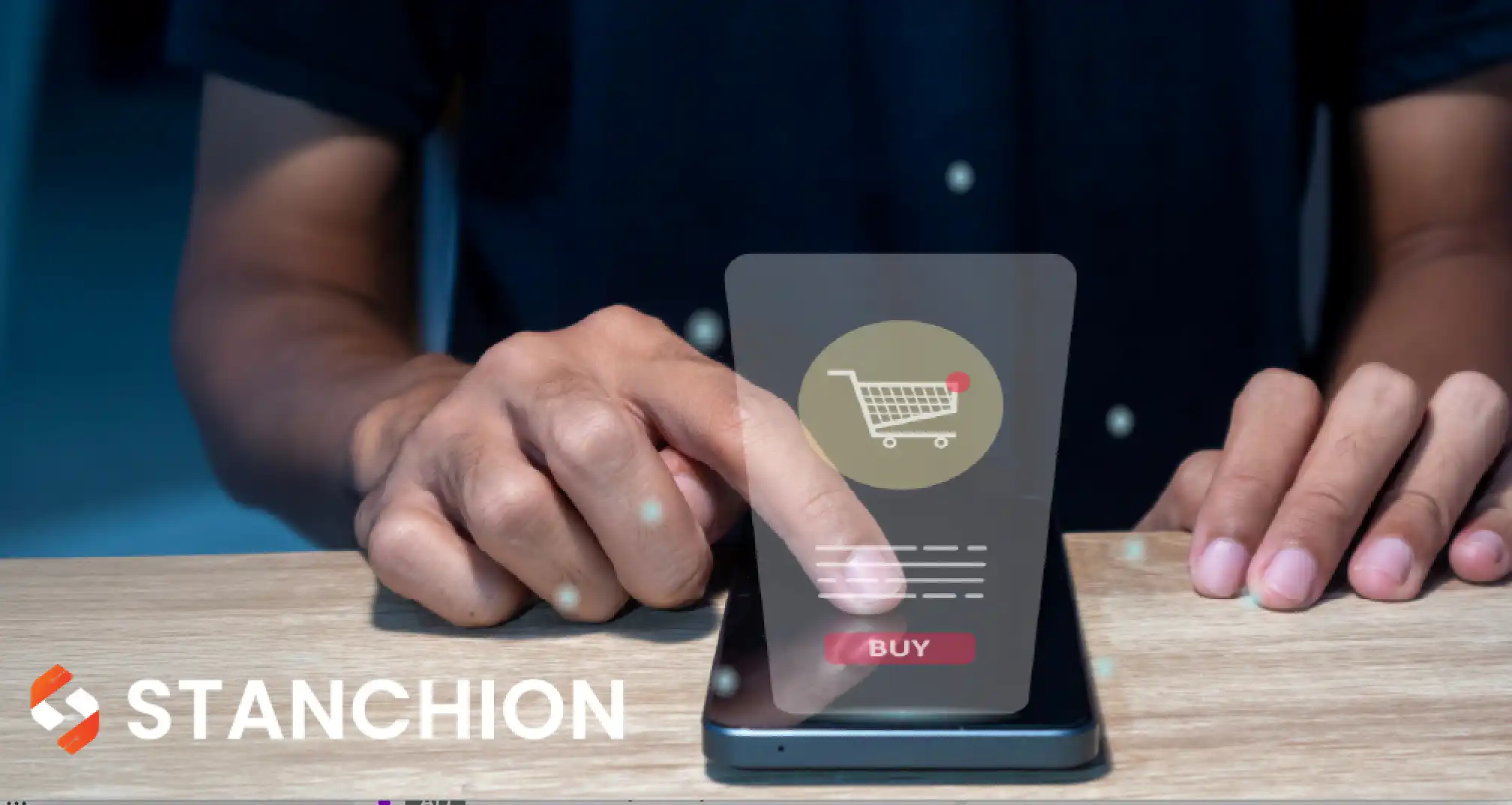
Click to Pay is transforming the way we pay online. Online commerce continues to grow, with new payment methods such as BNPL, stablecoins and scan-to-pay emerging over the last decade. Despite this variety, cards remain the most trusted and widely used method.
The problem is that many online checkouts still rely on outdated processes, forcing shoppers to manually enter a 16-digit PAN, expiry date and CVV, often followed by 3-D Secure notifications. This leads to higher cart abandonment, lower conversion and a payment experience that feels stuck in the past — you could say it is “so nineties.”
Click to Pay changes all of that. Backed by global schemes such as Visa and Mastercard, and built on EMV® Secure Remote Commerce standards, it brings the speed and simplicity of tap-to-pay into the online world. There are no numbers to type and no complicated passwords, just a secure and seamless click to complete the purchase.
What Is Click to Pay?
Click to Pay is a universal checkout experience that enables consumers to pay online without entering card details every time. After a one-time registration (typically via their bank or during the first checkout) shoppers can simply verify themselves using an OTP or a Passkey on their device, select their saved card and complete the purchase instantly.
It’s designed to work across browsers, devices and participating merchants, providing a consistent and secure experience for returning customers and guests alike. No need to create an account on the merchant site and share contact details and shipping information; that’s all managed by the Click to Pay checkout option.
How It Works: Three Key Characteristics of Click to Pay
To understand how Click to Pay transforms the online checkout journey, it helps to look at its three core characteristics:
- No Manual Card Entry at Checkout
Click to Pay removes the friction of entering card numbers, expiry dates and CVVs. Once enrolled, consumers can pay in just a few clicks, saving time and reducing input errors that often lead to failed transactions or cart abandonment.
- Card Information Stored Securely by the Scheme
Rather than storing card credentials with each merchant, Click to Pay centralises this through the scheme, such as Visa’s Click to Pay server. There are two main ways a consumer’s card gets registered:
- Issuer-provisioned registration, where the issuing bank securely provisions the card directly to the Click to Pay service.
- Consumer-initiated registration, where cardholders register their cards via a merchant or issuer interface.
This centralised storage enables tokenisation, reduces merchant risk and gives consumers confidence that their data is protected.
- Card Selection at Checkout
When shopping at a participating merchant, consumers are identified using their email or mobile number. They can then choose from their registered cards and complete the transaction with minimal input, typically using a one-time passcode or trusted device authentication such as Passkeys or on-device Biometrics. The process mirrors the speed and ease of in-store contactless payments while adding the inherent security of tokens in payment processing.
Why It Matters Now
Card networks are accelerating the adoption of Click to Pay. In Europe, Visa has already mandated support from issuers. By April 2026, banks in key Middle East markets will need to comply, with South African and Vietnamese issuers following by October 2026.
For issuers, the mandate is not just about compliance; it’s strategic to protecting cardholders and offering increased variety to cardholders. Click to Pay leverages network tokenisation, replacing static card numbers with dynamic digital tokens that offer a far higher level of security for Card Not Present (CNP) transactions. These tokens are validated in real time by the issuer, reducing fraud and boosting authorisation rates.
Visa reports that tokenised transactions saved $650 million in fraud in the 2023 to 2024 year. Moreover, token-based CNP transactions deliver a 3%+ lift in authorisation success, and in some cases an uplift of up to 4.6%, versus traditional card entry. This is where issuers need modern infrastructure to capture these benefits at scale, and that’s exactly what Stanchion’s Payment Fabric enables.
Stanchion’s Payment Fabric: Enabling Issuer Success
As issuers prepare for Click to Pay compliance and seek to maximise its benefits, Stanchion’s Payment Fabric provides the modern infrastructure to make it happen.
Payment Fabric is a modular, scheme-integrated platform designed to accelerate the roll-out of digital payment capabilities such as tokenisation, card provisioning and securing transactions, all delivered through flexible APIs and real-time services.
Here’s how it supports Click to Pay success:
- Seamless Scheme Integration
Stanchion’s Payment Fabric connects directly with Visa, Mastercard and other networks, streamlining onboarding and ensuring that issuer systems are aligned with evolving EMV® SRC and tokenisation requirements.
- Issuer-Centric Token Lifecycle Management
Manage token provisioning, activation, suspension, and reissuance in real-time. Payment Fabric gives issuers full control of the token life cycle, including support for customer-initiated consent and cardholder controls.
- Faster Time to Market
Banks don’t need to build from scratch. Stanchion provides pre-integrated components that accelerate deployment, with minimal changes to core systems and maximum agility.
- Scalable Across Markets
Whether you’re launching in a single region or preparing for a global roll-out, Payment Fabric supports multi-market configuration, localisation, and data residency compliance.
Click to Pay isn’t just a feature; it’s a shift in how consumers interact with payments online. For issuers, it’s an opportunity to deliver secure, intuitive checkout experiences while building deeper trust with cardholders.
With Stanchion’s Payment Fabric, issuers are equipped with everything they need to comply with scheme mandates, reduce fraud and deliver the seamless digital experiences customers now expect.
Let’s build the next generation of payments, one click at a time.