
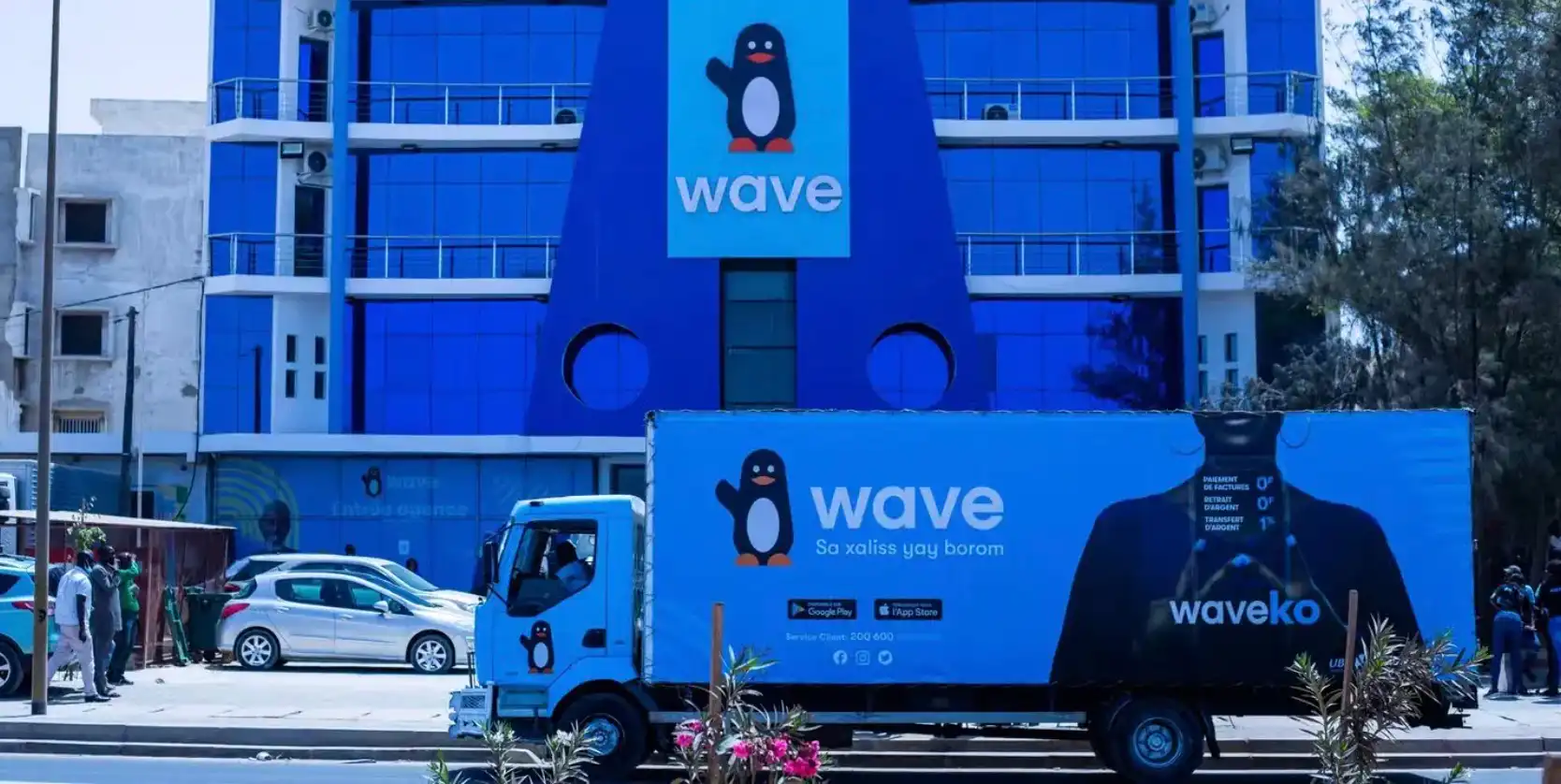
Wave Mobile Money has taken a major strategic step in West Africa by incorporating a formal banking entity in Côte d’Ivoire, signalling an intentional evolution from its original mobile-money model toward balance-sheet-driven financial services.
A legal notice confirms that WAVE BANK AFRICA S.A. was constituted on 4 August 2025 and officially registered on 22 August, with CFA 20 billion in paid-in capital — approximately $35 million USD. This development reframes Wave’s long-term ambition around deposit mobilisation, credit delivery, and more direct connectivity to core regional financial infrastructure, pending regulatory approval.
A Shifting Regulatory Landscape
The move arrives at a crucial time within the West African Economic and Monetary Union (WAEMU). The region’s central bank, BCEAO, has launched PI-SPI, a regional instant payments system designed to deepen interoperability and modernise payments across member states. Wave was not included in the system’s initial participant list — a decision that, while unsurprising given regulatory requirements, creates a structural incentive for the company to pursue a banking licence. With direct participation, Wave would gain more secure access to settlement rails and increase its strategic resilience in a tightening regulatory environment.
In simple terms, the playing field is changing — and Wave wants to be positioned where the future is headed, not where the past has been.
Competition Has Intensified
The company burst onto the scene by challenging traditional pricing structures with 1% transfer fees and free cash-outs, forcing incumbents to respond. That model won headlines and market affection, but it also triggered rapid competitive adjustments. Telecom operators have aggressively defended their turf: MTN Côte d’Ivoire eliminated withdrawal fees, and Orange Cameroon dropped P2P transfer fees entirely.
This price compression has narrowed the differentiation that made Wave stand out. As competitors reduce fees and subsidise users at scale, the economics of pure payments become harder to sustain — especially for a challenger still building regional dominance.
Why Banking, and Why Now?
Incorporating WAVE BANK AFRICA S.A. marks a decisive pivot toward deposit-taking, credit delivery, and embedded finance. If a licence is granted, Wave will shift from relying primarily on transaction volumes to generating revenue from interest-based products and risk-priced lending — a model with stronger margins and more long-term defensibility.
This is more than an expansion of services; it is a structural repositioning. By moving closer to central banking infrastructure, Wave aims to secure deeper integration, gain operational independence from third-party payment rails, and translate its distribution reach into sustainable financial capabilities.
Capital and Leadership
Starting with CFA 20 billion in capital underscores that Wave intends to operate at national scale, not as a small pilot or experimental venture. Governance is anchored by regional leadership talent, with Coura Carine Tine as board president and Bamba Abdoulaye Katier as director general. Their presence ensures operational continuity and regulatory credibility — key ingredients when transitioning from fintech disruptor to regulated financial institution.
What It Means for Customers and the Market
Consumers are unlikely to see immediate changes — regulatory approvals, system integrations, and operational build-outs take time. But in the medium term, Wave’s goal is clear: move beyond transfers to become a full-service financial partner offering savings, credit, and digital financial services grounded in sustainable economics.
If successful, Wave may re-enter competitive battles not on fee wars — but on reliability, product breadth, and trust.
Opportunities, Risks, and the Road Ahead
The path forward carries both promise and complexity. Building a lending business requires strong underwriting discipline, robust data science capabilities, and thoughtful credit-risk governance. Telcos will continue defending market share, while incumbent banks — already integrated into PI-SPI — are unlikely to cede ground easily.
Wave’s shift is not cosmetic. It reflects the pressures of regulatory evolution, fee compression, and the hard realities of scaling digital payments in Africa. The next year will be pivotal, testing whether this banking transition delivers access to critical infrastructure, stabilises unit economics, and evolves Wave from a bold payments challenger into a resilient, full-service African financial institution.
At its heart, this move is about long-term sustainability — and about staying true to Wave’s mission of making financial services more affordable, accessible, and empowering across the continent.