
Bank of Algeria has officially joined the Pan-African Payment and Settlement System (PAPSS), marking a major milestone in Africa’s journey toward seamless financial integration.
PAPSS, an initiative launched by the African Export-Import Bank (Afreximbank) in collaboration with the African Union Commission (AUC) and the African Continental Free Trade Area (AfCFTA) Secretariat, is designed to facilitate instant, secure, and efficient cross-border payments across the continent. With this move, Algeria becomes the 18th country of presence in the PAPSS network, strengthening the system’s reach and influence in North Africa.
This accession is symbolic and highly strategic, arriving just as Algeria prepares to host the Intra-African Trade Fair 2025 (IATF2025) from 4–10 September 2025 in Algiers. The trade fair, also spearheaded by Afreximbank in partnership with the African Union and AfCFTA Secretariat, is set to be a defining moment for the continent’s trade agenda. With projections of more than 35,000 participants and representation from over 140 countries, IATF2025 will provide an unparalleled platform to showcase Africa’s trade potential, facilitate investment flows, and accelerate the realisation of AfCFTA’s vision of a borderless African market.
The link between PAPSS membership and IATF2025 is crucial. By joining the payment system, Algeria is positioning itself not only as a host nation for one of the continent’s most influential trade events but also as a proactive participant in reshaping Africa’s financial architecture. The alignment of these two milestones sends a clear message: Algeria is committed to playing a central role in regional integration, financial modernisation, and trade facilitation.
Mike Ogbalu III, Chief Executive Officer of PAPSS, described Algeria’s entry as a “landmark event,” underscoring its potential to transform the continent’s payment ecosystem. He noted:
“We are delighted to welcome the Bank of Algeria to the PAPSS network. Algeria’s entry not only strengthens our presence in North Africa but also demonstrates the continent’s rising confidence in our system as the engine for Africa’s payment transformation. So far, PAPSS has reduced intra-Africa cross-border transaction costs among participating countries and enabled savings of up to 27% for end users, while helping banks experience transaction volume surges of over 1000% through digital channel integration. As our network grows, we’re making African payments faster, more affordable, and accessible, catalysing economic growth and unlocking new opportunities for businesses and communities across Africa.”
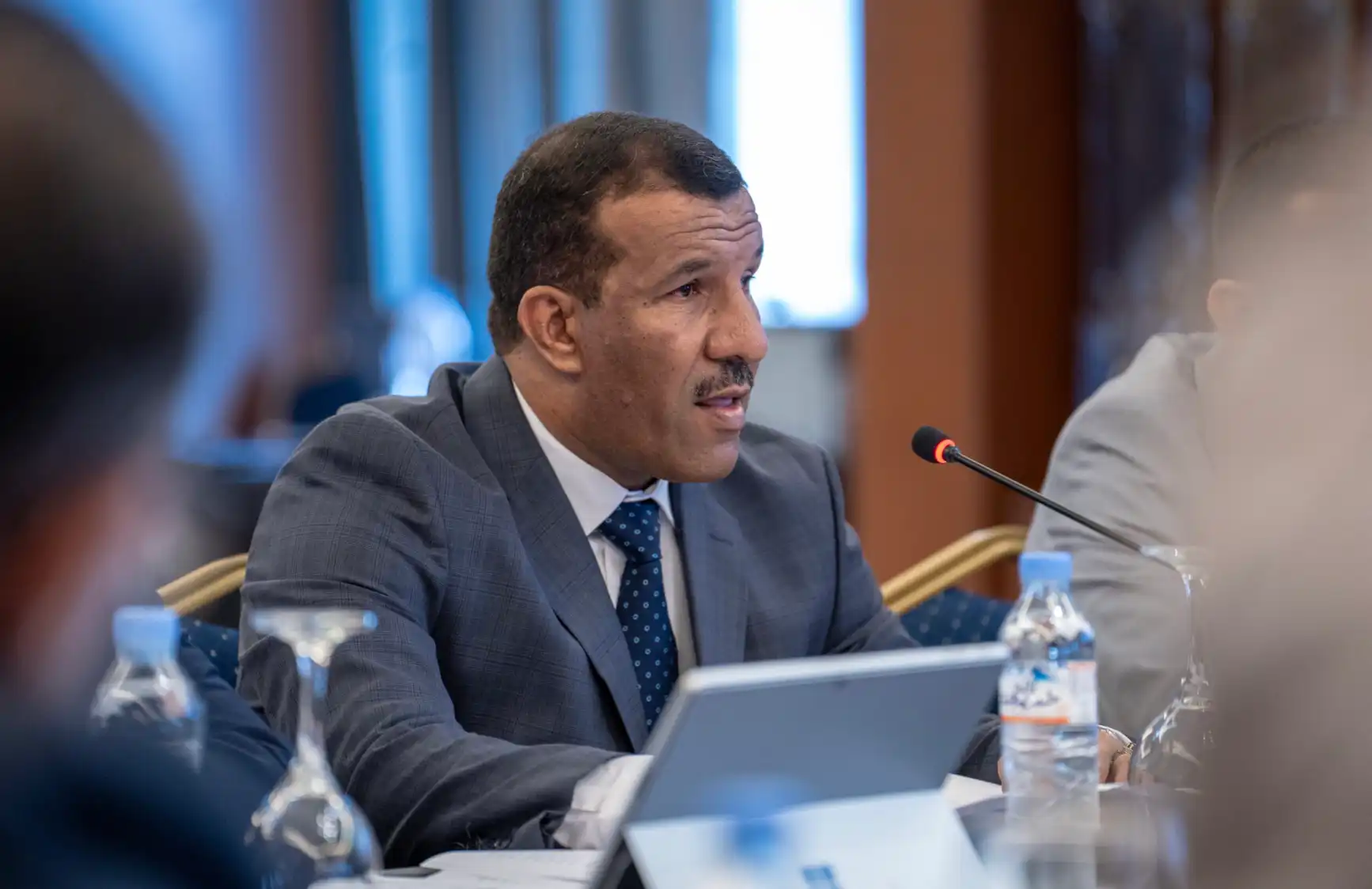
From the perspective of the Bank of Algeria, the decision reflects a strong commitment to regional collaboration and the modernisation of the financial system. Mohamed Benbahane, Deputy Governor of the Bank, emphasised that the membership is aimed at “improving payment efficiency and facilitating intra-African trade,” calling PAPSS an “essential lever for strengthening Algeria’s role within the African financial ecosystem and supporting sustainable economic development in Africa.” His remarks highlight not only the technical benefits of joining PAPSS but also Algeria’s long-term vision of contributing to the continent’s collective growth.
Since its pilot phase in West Africa in 2022, PAPSS has demonstrated remarkable momentum. Initially concentrated in West African Monetary Zone countries, the system has now extended into North Africa, with Tunisia, Egypt, Morocco, and Algeria all signing on. The network today connects 18 countries across four African regions, linking more than 150 commercial banks and 14 financial switches. This growing coverage is a testament to the confidence financial institutions place in PAPSS as a reliable solution for simplifying cross-border transactions and reducing Africa’s dependence on third-party payment corridors outside the continent.
For businesses, the benefits are tangible. PAPSS shortens transaction times from days to seconds, lowers the cost of cross-border payments, and supports transactions in local currencies. For governments and regulators, it enhances transparency, strengthens oversight, and fosters an environment that encourages regional trade and economic resilience. For consumers, it translates into more affordable remittances and better access to financial services.
Algeria’s inclusion, therefore, is not just about expanding PAPSS’s footprint — it is about adding weight to a continental initiative that is redefining the way Africa trades with itself. The timing, coinciding with preparations for IATF2025, positions Algeria at the heart of a dual transformation: one of physical trade and investment exchange, and another of digital and financial modernisation.
As Africa edges closer to realising the full potential of the AfCFTA, the integration of major economies like Algeria into PAPSS is essential. It represents another step toward building an interconnected, resilient, and self-sufficient African economy. With more countries expected to join in the coming months, PAPSS is steadily becoming not just a payment system, but a symbol of Africa’s determination to chart its own path in the global financial system.