
PINs, passwords or other means of user authentication can be lost, stolen or copied and systems that rely on these are rapidly becoming both ineffective and obsolete. As the world attempts to put an end to identity theft and to reduce fraud, the banking sector is making a real commitment to biometrics and intelligent identity management. Today we see a growing number of banks worldwide deploying multispectral imaging biometrics solutions as part of their next-generation ATM rollouts.
The term biometrics is used to describe technologies and solutions that utilise unique human characteristics to identify an individual. Unlike other forms of strong authentication, biometrics is the only real way to validate the identity of the individual using the system. In order for a biometric system to be adopted, it needs to work reliably with everyone, and the biometric features need to be consistent, unique and measurable. Equally important, the system needs to be secure and convenient. As we all know, if it’s not intuitive, it won’t be used.
Fingerprints are the most widely used biometric modality and adoption rates are increasing for iris, facial, and voice for specific use cases. Why are fingerprints the de facto biometric standard? Automated fingerprint systems have been used to identify and verify identity for over 20 years. Fingerprint sensors are intuitive and easily accessible, and advanced sensors are feature-rich and include liveness detection and the ability to work with a variety of skin types in variable environmental conditions. Liveness detection provides a level of security that prevents fake fingerprints, severed digits or other equally macabre attempts at hacking the system.
The data collected by fingerprint biometric systems can either be interoperable with other systems, such as national IDs, or they can be proprietary for an individual institution that simply needs to validate a customer’s identity. Unlike the ID book, a person’s biometrics cannot be lost, stolen or forgotten at home. And this convenient layer of security has been adopted by banking institutions both within the branch and more recently at the ATM.
High reliability is critical at ATMs because their use is not typically supervised – there might not be a person on hand for customers to consult if a problem were to occur with a transaction. For that reason, it is crucial to have a technology that can capture the right data on the first try. Conventional fingerprint biometrics technologies rely on unobstructed and complete contact between the fingerprint and the sensor, a condition that is elusive in the real world which can be wet, dry or dirty.
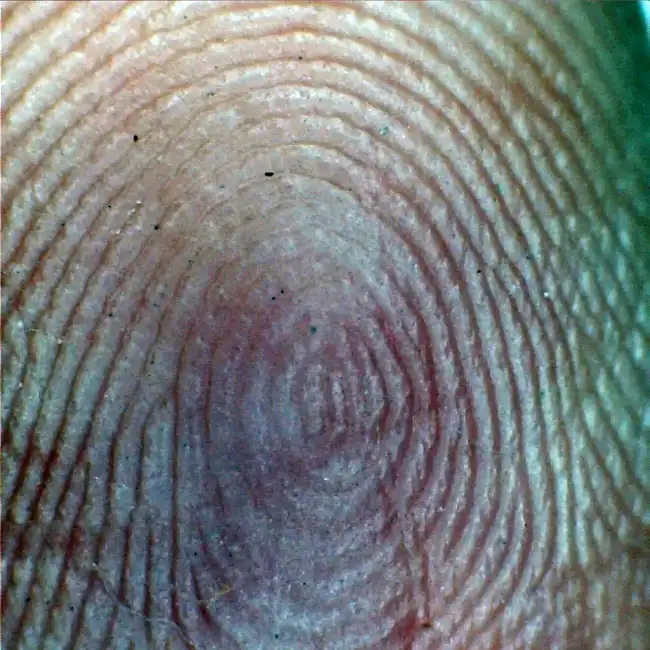
Multispectral imaging technology, on the other hand, was specifically developed to overcome the fingerprint-capture problems commonly found with conventional fingerprint systems in less-than-ideal conditions. Already widely deployed at ATMs globally, this technology uses multiple sources and types of light and advanced polarization techniques to extract unique fingerprint characteristics from both the surface and subsurface of the skin. Subsurface capability is important because the foundation of fingerprint ridges seen on the surface of the finger can be found beneath the surface of the skin, in the capillary beds and other sub-dermal structures.
Unlike surface fingerprint characteristics, which can be obscured during imaging by moisture, dirt or wear, the “inner fingerprint” lies undisturbed and unaltered beneath the surface. When surface fingerprint information is combined with subsurface fingerprint information and reassembled in an intelligent and integrated manner, the results are more consistent, more inclusive and more tamper resistant.
Fingerprint readers using this technology have been chosen by many banks at their ATMs, to decrease fraud and increase security with a simple, easy, intuitive touch of a finger.
By Greg Sarrail, Vice President Solutions Business Development, Lumidigm (www.lumidigm.com)