

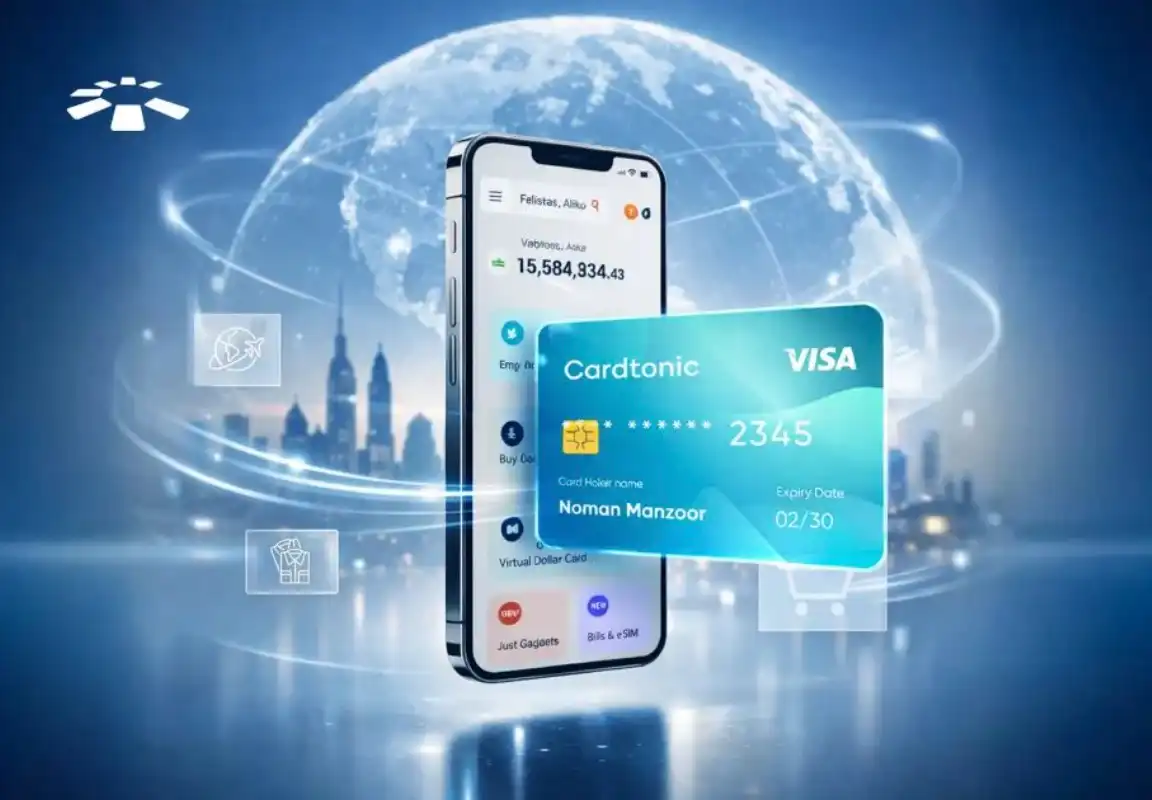
Cardtonic has announced an expansion of its virtual card offerings, aimed at supporting global online payments for users across Africa as digital payment methods continue to play an increasingly central role in everyday economic activity.
The move comes as more consumers across the continent rely on international digital platforms for work, entertainment, education, and online commerce, while still facing limitations when using locally issued debit and credit cards for global transactions.
Across Africa, online payment needs have evolved rapidly. Consumers are increasingly required to pay for subscription services, renew software tools, pay for streaming platforms, and transact on international websites that often do not accept cards issued by local banks. These limitations have created a market gap for alternative payment tools that enable users to access global services without the friction commonly associated with traditional payment rails.
In response to these challenges, virtual cards have become one of the most widely adopted solutions for consumers seeking access to international online services. Virtual cards provide users with digital card credentials that can be used for global e-commerce transactions, subscription renewals, and payments on platforms that may otherwise reject African-issued cards. Their convenience and accessibility have made them especially popular among freelancers, online shoppers, and users paying for digital services priced in foreign currencies.
The increased adoption of virtual cards also reflects a broader shift across the continent toward digital payment infrastructure that supports cross-border transactions. As Africa’s fintech ecosystem continues to expand, more payment providers are building tools that allow users to participate in global digital commerce without needing access to foreign bank accounts or internationally accepted physical cards.
However, as virtual card usage grows, reliability has emerged as one of the most important factors influencing consumer preference. For users making recurring subscription payments, transaction failures can result in disruptions such as service cancellations, interrupted access to platforms, or delayed renewals. This has led to a shift in user expectations, where consistent performance is often prioritised above access alone.
Virtual cards address several long-standing challenges associated with traditional card payments, including restricted international acceptance, transaction declines due to regional banking limitations, and concerns around card security. Because virtual cards are typically separated from a user’s main bank account and can often be funded on demand, they are considered a safer option for online payments. They also reduce exposure to fraud, especially when used for purchases on unfamiliar platforms.
Despite these benefits, differences in performance across providers have led many users to pay closer attention to transaction success rates, platform compatibility, and card stability. As the virtual card market becomes more competitive, consumers are increasingly seeking providers that offer not only access but also dependable processing across a wide range of merchants and payment gateways.
In response to these evolving payment requirements, Cardtonic offers virtual dollar cards designed specifically for international online transactions. These cards are positioned to support common use cases such as e-commerce payments, subscription services, and digital platform purchases, offering users a more practical way to transact globally. Cardtonic’s virtual cards are intended for recurring and everyday online payments where consistent transaction processing is essential.
As part of its expansion, the company has also introduced Platinum Virtual Cards within its virtual card portfolio. According to Cardtonic, the Platinum option supports near-field communication (NFC) functionality, enabling users to add their virtual cards to compatible digital wallets and use them for contactless payments via mobile devices. This development extends the use of virtual cards beyond purely online payments, allowing users to transact in physical retail environments where tap-to-pay methods are supported.
By enabling NFC-based payments, Cardtonic is targeting consumers who want greater flexibility in how they use virtual payment tools. With Platinum Virtual Cards, users can potentially make in-person purchases without needing a physical card, relying instead on smartphone-enabled wallet payments. This aligns with the broader growth of contactless payment adoption globally and the rising interest in digital wallet usage across African urban markets.
Through offering multiple virtual card options, Cardtonic allows users to select products based on their specific payment needs. These options range from basic online payment capabilities to broader digital wallet integration and contactless usage, supporting a wider range of transaction patterns.
As digital payments continue to evolve across African markets, consumer focus is increasingly shifting toward payment tools that offer consistent performance across platforms and geographies. Cardtonic’s expanded virtual card offerings are positioned within this context, providing flexible digital payment options designed to support global commerce, subscription-based services, and modern mobile payment behaviour.