
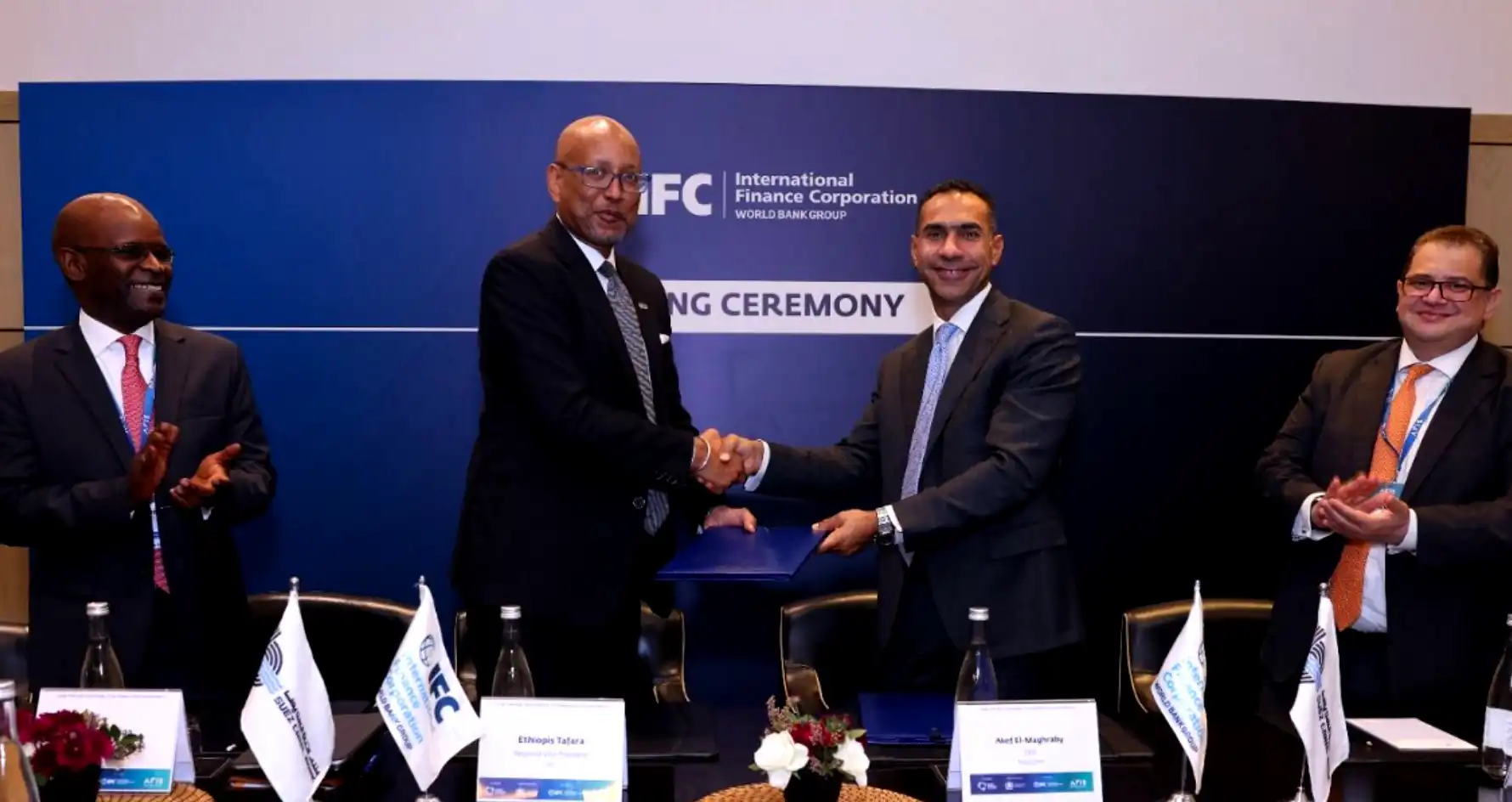
IFC today announced a comprehensive financing package for Suez Canal Bank (SCB) designed to strengthen the bank’s capacity to expand lending to micro, small, and medium-sized enterprises (MSMEs) across Egypt.
This strategic partnership aims not only to support business growth but also to create thousands of new jobs, promote economic stability, and help narrow the gender financing gap that continues to affect women-led enterprises.
At the center of the agreement is an IFC loan of $50 million, which SCB will channel directly toward expanding access to finance for MSMEs. A significant portion of these funds will target underserved and vulnerable regions of the country, where access to credit remains a critical barrier for entrepreneurs and business owners. Notably, 25 percent of the financing is specifically allocated to women-owned MSMEs. Although women-led businesses represent around 20 percent of Egypt’s MSME landscape, they continue to face disproportionate funding constraints. By earmarking part of the loan exclusively for women, IFC and SCB aim to address this disparity and foster greater financial inclusion.
MSMEs play an essential role in driving Egypt’s economy, contributing more than one-third of national GDP and providing employment to nearly 40 percent of the workforce. Despite their importance, many MSMEs struggle to obtain financing due to limited collateral, insufficient credit histories, or a lack of tailored banking products. These constraints often restrict their ability to grow, innovate, and contribute fully to economic development. The newly announced partnership seeks to bridge this gap by empowering banks like SCB to expand their lending portfolios and deliver more accessible, relevant financial solutions to the MSME sector.
Beyond financing, IFC will also assist SCB in developing and implementing an Environmental and Social Management System (ESMS) that aligns with international environmental and social (E&S) standards. This system will help the bank assess and manage environmental and social risks across its lending operations, ensuring responsible and sustainable growth. Strengthening E&S frameworks has become increasingly important for banks operating in emerging markets, as global standards evolve and regulators place greater emphasis on sustainability, transparency, and good governance.
The signing of the agreement took place on the sidelines of the Africa Financial Summit (AFIS), co-hosted by IFC, Jeune Afrique, and the Kingdom of Morocco. AFIS gathered policymakers, investors, financial institutions, and regulators from across the continent to explore how African economies can mobilize domestic savings, strengthen local capital markets, and finance development in local currency. The collaboration with SCB aligns closely with these regional priorities, emphasizing long-term financial resilience and inclusive economic growth.
Akef El Maghraby, Suez Canal Bank Egypt’s CEO and Managing Director, highlighted the significance of the partnership in supporting the bank’s sustainability goals. “This agreement represents a significant step in the bank’s journey toward green transformation,” he said. “Adherence to modern environmental standards is no longer optional, but a pressing necessity for all institutions operating in the Egyptian and regional markets.”
Ethiopis Tafara, IFC’s Vice President for Africa, emphasized the development impact of the initiative. “By partnering with Suez Canal Bank, IFC is expanding lending to MSMEs, supporting thousands of Egyptian entrepreneurs grow their businesses,” Tafara said. “MSMEs not only support job creation but actively contribute to a more resilient and prosperous economic future.”
The investment aligns with the World Bank Group’s Country Partnership Framework (CPF) for Egypt for FY23–27, which focuses on promoting private sector job creation, expanding access to finance for MSMEs, enhancing opportunities for women, and supporting a greener, more sustainable economy.
IFC has been an active partner in Egypt since 1976. Over the decades, the institution has invested and mobilized more than $10 billion in development projects, with a current investment portfolio of about $2.5 billion and an advisory portfolio exceeding $22 million. IFC’s private sector engagement in Egypt spans diverse sectors, including fintech, financial services, manufacturing, logistics, ports, renewable energy, tourism, and healthcare, with a strong emphasis on climate, gender equality, and job creation.